Water leakage is one of the most common and damaging problems faced by residential, commercial, and industrial buildings. What may initially appear as a small damp patch or minor seepage issue can gradually lead to structural deterioration, mold growth, peeling paint, corrosion of reinforcement bars, and expensive repair costs. In regions with heavy rainfall and humidity, such as Kerala, proper waterproofing and preventive maintenance are essential for protecting the life and value of a building.
Many property owners delay addressing leakage problems until visible damage becomes severe. However, effective waterproofing and early intervention can significantly reduce long-term maintenance expenses and prevent major structural complications.
Understanding the Common Causes of Water Leakage
Water leakage can occur due to several reasons, and identifying the root cause is the first step toward implementing the right solution.
1. Poor Waterproofing During Construction
Inadequate or improper waterproofing applications during the construction phase often lead to future leakage issues. If membranes, coatings, or sealants are not correctly applied, water can penetrate through slabs, walls, or joints.
2. Cracks in Concrete Structures
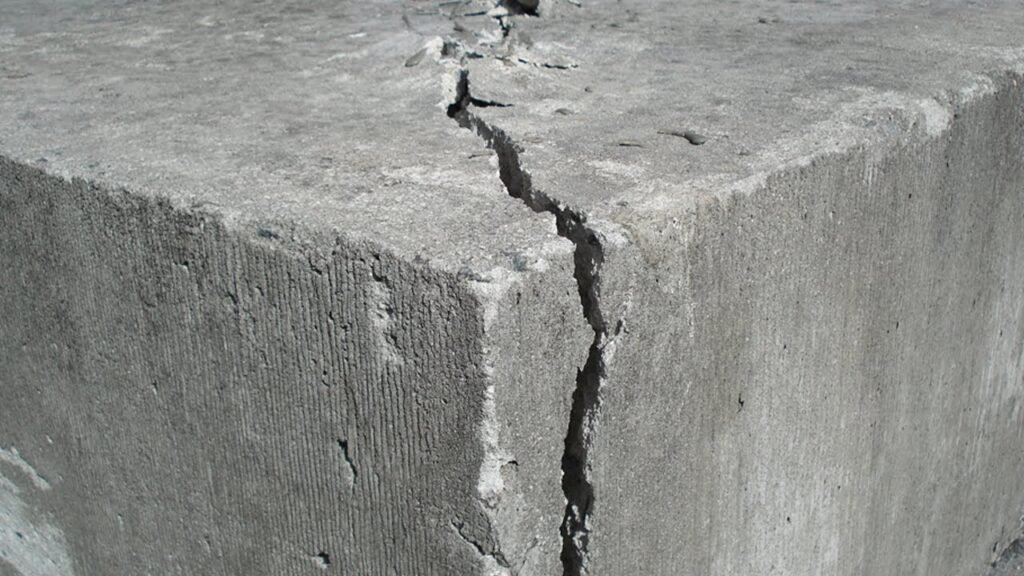
Concrete structures naturally develop cracks over time due to thermal movement, settlement, shrinkage, or structural stress. These cracks create pathways for water infiltration.
3. Damaged Expansion Joints
Expansion joints are designed to accommodate structural movement. When joint sealants deteriorate or fail, water enters through these vulnerable areas.
4. Roof and Terrace Exposure
Terraces and roofs are continuously exposed to sunlight, rain, and weather fluctuations. Without proper waterproofing systems, these areas become highly susceptible to leakage.
5. Plumbing Failures
Hidden pipe leakages and drainage issues can also contribute to dampness and water damage inside buildings.
Areas Most Vulnerable to Leakage
Certain parts of a building are more prone to water intrusion and therefore require additional attention.
Terraces and Roof Slabs
Flat terraces often accumulate water during heavy rainfall. Cracks, damaged coatings, or improper slope can result in seepage.
Basements
Groundwater pressure and poor waterproofing can lead to basement leakage and dampness.
Bathrooms and Wet Areas
Bathrooms, kitchens, and utility areas are exposed to continuous moisture and require effective waterproofing beneath tiles and flooring systems.
Water Tanks
Underground and overhead tanks require specialized waterproofing to prevent leakage and contamination.
Retaining Walls
Retaining walls experience constant moisture exposure and hydrostatic pressure, making waterproofing essential.
Effective Waterproofing Solutions
Modern waterproofing systems are designed to provide long-term protection when applied correctly.
Liquid Applied Membranes
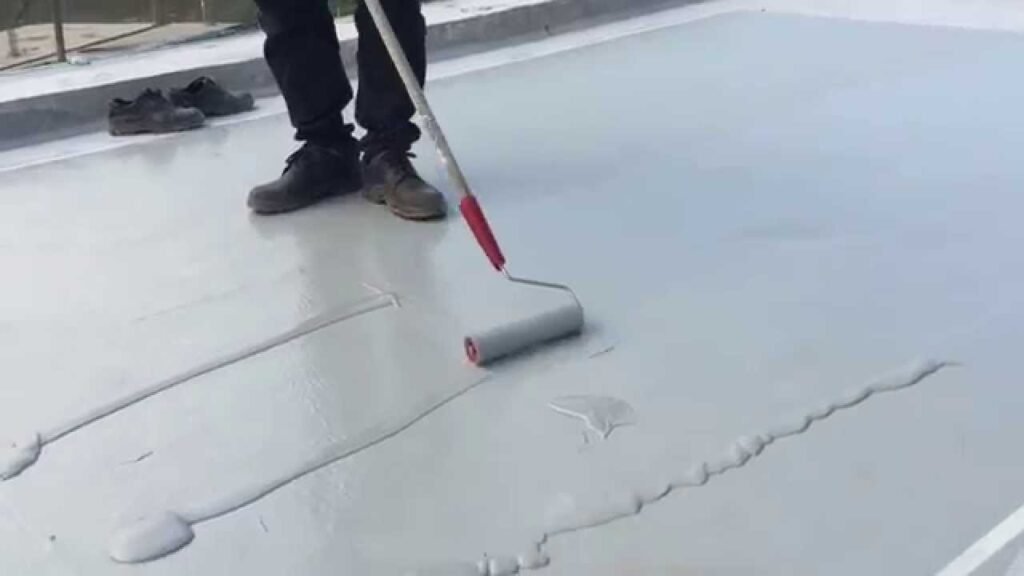
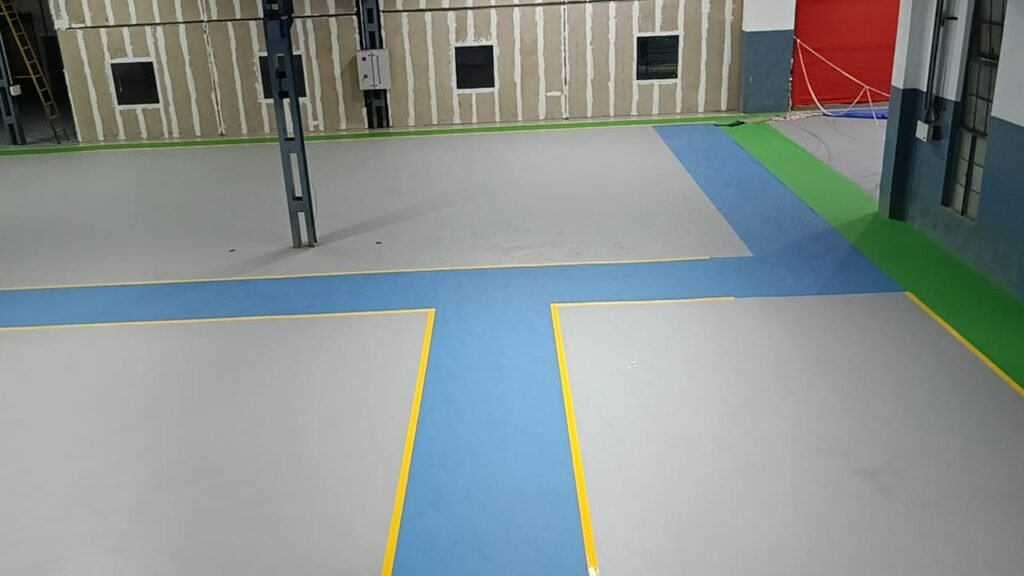
Liquid waterproofing membranes form a seamless protective coating over surfaces. These systems are widely used for terraces, roofs, bathrooms, and podium areas.
Preformed Membranes
Preformed membranes are commonly used in basements and foundation structures where high durability and water resistance are required.
Cementitious Waterproofing
Cement-based waterproofing systems are effective for water tanks, bathrooms, and internal wet areas.
Polyurethane Waterproofing Systems
Polyurethane-based systems offer flexibility and excellent waterproofing performance, especially for exposed surfaces.
Importance of Professional Site Inspection
Every leakage issue is different, and applying a generic solution may not provide long-term results. A professional site inspection helps identify:
- Source of leakage
- Structural condition
- Surface preparation requirements
- Suitable waterproofing system
- Extent of damage
This evaluation ensures that the selected solution addresses the actual root cause instead of temporarily masking the problem.
Why Preventive Waterproofing Matters
Many building owners seek waterproofing only after damage becomes visible. However, preventive waterproofing offers significant advantages.
Reduces Maintenance Costs
Preventing water intrusion early avoids expensive structural repairs and repeated maintenance work.
Extends Building Life
Waterproofing protects concrete structures, reinforcement steel, and finishes from deterioration.
Improves Indoor Environment
Proper waterproofing prevents dampness, fungal growth, and unhealthy indoor conditions.
Protects Property Value
Buildings with recurring leakage problems often lose value and require continuous repair expenses.
Signs That Your Building Needs Waterproofing
Property owners should not ignore early warning signs such as:
- Damp patches on walls or ceilings
- Peeling paint
- Musty odor
- Water stains
- Cracks in slabs or walls
- Mold growth
- Leakage during rainfall
Early intervention can prevent major structural issues in the future.
Choosing the Right Waterproofing Partner
Selecting the right waterproofing contractor is critical for long-term performance.
When evaluating a service provider, consider:
- Technical expertise
- Experience in similar projects
- Quality of materials used
- Warranty support
- Skilled workforce
- In-house execution capabilities
Reliable contractors conduct detailed inspections and provide customized solutions based on project requirements.
Long-Term Maintenance and Inspection
Even high-quality waterproofing systems benefit from periodic inspection and maintenance. Annual inspections help identify minor issues before they become serious problems.
Regular maintenance also ensures that waterproofing systems continue performing effectively over time.
Conclusion
Water leakage is not just a cosmetic issue—it directly impacts the durability, safety, and value of a building. Proper waterproofing solutions combined with professional assessment and quality execution can protect structures from long-term damage.
Whether for new construction or existing buildings, investing in reliable waterproofing systems is essential for ensuring structural protection, minimizing maintenance costs, and extending building life.